|
|

|
Bogotá, Colombia -Edición: 1013 Fecha: Miércoles 21-10-2026 |

|
|
|
Página 8 |
|


|
|
|
JUDICIAL |
||
|
|
Operación Conjunta Desarticula Red Sicarial
En un contundente operativo judicial coordinado entre la
Policía Metropolitana de Pereira y la Fiscalía General de la Nación, las
autoridades lograron la captura de siete presuntos integrantes de una
estructura criminal dedicada al homicidio selectivo y al tráfico de
estupefacientes en la capital de Risaralda y zonas aledañas. Las
acciones de registro y allanamiento se ejecutaron de manera simultánea
en diversos sectores urbanos de Pereira y municipios vecinos,
permitiendo la detención de seis de los sospechosos mediante orden
judicial formal y la aprehensión de un individuo adicional en flagrancia
por porte ilegal de armas de fuego y municiones.
Joint Operation Dismantles Hit-Squad Network
In a decisive judicial operation led jointly by the
Pereira Metropolitan Police and the Attorney General's Office,
authorities apprehended seven alleged members of a criminal network
associated with targeted homicides and local drug distribution across
the capital of Risaralda and neighboring areas. Simultaneous search
warrants executed across key urban districts in Pereira and nearby
municipalities resulted in the arrest of six individuals under formal
judicial court orders, while one additional suspect was detained in
flagrante delicto for illegal possession of firearms and ammunition.
Judicializan a Integrantes de Grupo Criminal
La Fiscalía General de la Nación, en un trabajo articulado con la Sijín de la Policía Metropolitana de Pereira, logró la judicialización y desarticulación de una organización delictiva conocida como «Los
|
Ficticios», dedicada al hurto de motocicletas y a la
posterior comercialización de sus autopartes en talleres clandestinos de
la capital de Risaralda. Las capturas se materializaron tras una
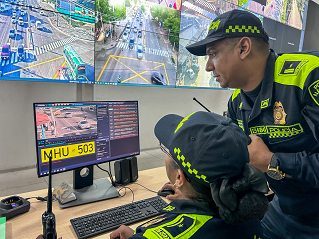
investigación de varios meses que incluyó seguimientos, análisis de
cámaras de seguridad y labores de inteligencia en los barrios El Japón,
Boston y la comuna Villasantana, donde operaba principalmente este grupo
ilegal.
Criminal Group Members Brought Before the Courts
The Attorney General's Office, in close coordination with
the Judicial Investigation Department (SIJIN) of the Pereira
Metropolitan Police, successfully prosecuted and dismantled a criminal
organization known as “Los Ficticios.” The group was dedicated to
stealing motorcycles and subsequently selling their auto parts in
clandestine workshops across the capital of Risaralda. The arrests
followed a month-long investigation involving surveillance, security
camera analysis, and intelligence work in key neighborhoods like El
Japón, Boston, and the Villasantana district.
Cae Red Dedicada a la Falsificación de Documentos
En un trabajo de inteligencia llevado a cabo por la Sijín
de la Policía Metropolitana en coordinación con la Fiscalía General de
la Nación, las autoridades lograron la captura de cuatro personas que
integraban una red delictiva especializada en la falsificación de
licencias de conducción, tarjetas de propiedad y certificaciones
mecánicas en Pereira. Durante los allanamientos adelantados en inmuebles
de la zona céntrica, las unidades judiciales incautaron impresoras
industriales, sellos secos de diferentes organismos de tránsito y
decenas de documentos falsos listos para su distribución. La estructura
cobraba sumas considerables a conductores e intermediarios para evadir
los trámites legales correspondientes ante las autoridades de tránsito
locales.
|
carcelario para los dos principales articuladores de la banda, mientras que los otros dos procesados afrontarán el juicio bajo detención domiciliaria. Con este operativo, la policía local asesta un duro golpe a las cadenas de fraude documental que ponen en riesgo la seguridad vial y el orden administrativo en la región.
Network Dedicated to Document Forgery Taken Down
In a targeted intelligence operation carried out by the
Judicial Investigation Department (SIJIN) alongside the Attorney
General's Office, authorities arrested four individuals belonging to a
criminal ring specialized in forging driver's licenses, vehicle
registration cards, and mechanical inspection certificates in Pereira.
During raids conducted on properties in the downtown district, law
enforcement units seized industrial printing equipment, official notary
stamps, and dozens of counterfeit documents ready for distribution. The
criminal group charged substantial fees to drivers and brokers seeking
to bypass mandatory legal procedures required by local transit
authorities.
Desarticulan red de Microtráfico que Operaba en Escuelas
Gracias a una rápida labor de seguimiento coordinada
entre la Policía Metropolitana de Pereira y la Fiscalía General de la
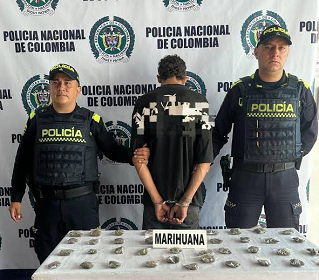
Nación, las autoridades lograron la captura de cinco personas
pertenecientes a un grupo delincuencial dedicado al expendio de
estupefacientes en los alrededores de varios colegios de la comuna Cuba.
Las investigaciones permitieron establecer que los implicados utilizaban
la modalidad de venta al menudeo y entregas a domicilio para distribuir
dosis de narcóticos a jóvenes del sector, empleando zonas verdes y
parques infantiles como puntos estratégicos de acopio y comercialización
ilícita.
Small-Scale Drug Trafficking Network Operating in Schools Dismantled
Following a swift intelligence operation coordinated by
the Pereira Metropolitan Police and the Attorney General's Office,
authorities arrested five individuals belonging to a criminal group
dedicated to drug distribution surrounding several schools in the Cuba
district. Investigations established that the suspects utilized street-level
retail sales and home delivery services to distribute narcotics to local
youth, using public parks and playgrounds as strategic hideouts and
illicit points of sale.
|
|


|
|
Página 8 |
|